Restore. Rescue. Protect.
Our Vision
A future where Western North Carolina’s rivers run clean, native forests flourish, and wildlife thrives alongside communities that protect them.
About Us

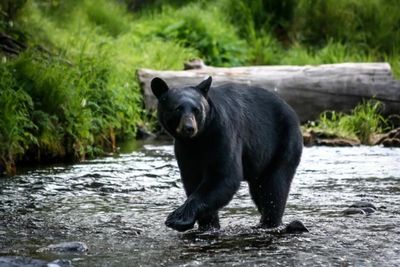
Rivers Edge works to protect and restore the natural ecosystems of Western North Carolina by cleaning local waterways, coordinating community volunteer efforts, restoring native habitats through tree and plant initiatives, and rescuing injured or stranded wildlife in partnership with local rehabilitators.

Respect for Nature
We believe healthy ecosystems are essential for wildlife, communities, and future generations. All conservation work prioritizes ecological balance and sustainability.
Animal Rescue
All wildlife and domestic animals are treated with care, dignity, and respect. We support ethical rescue practices and work with licensed professionals to ensure proper rehabilitation and care.
Saving the Hemlocks

A Silent Forest Crisis
Since the mid-1990s, the Eastern Hemlock has been in steady decline across Western North Carolina due to an invasion of the hemlock woolly adelgid, an invasive insect that feeds on the tree’s sap. This tiny pest attaches itself to the base of hemlock needles, disrupting the tree’s ability to transport nutrients and water. Over time, infested trees weaken, lose their needles, and ultimately die—often within just a few years if left untreated.
Why Eastern Hemlocks Matter
Eastern Hemlocks are a foundational species in the forests of Western North Carolina, playing a critical role in maintaining ecosystem health. They provide year-round shade that keeps streams cool, which is essential for native fish and aquatic life, and they help stabilize soil along riverbanks, reducing erosion and protecting water quality. Their dense canopies also create habitat for a wide range of wildlife species. As these trees disappear, the effects ripple through the entire ecosystem, altering habitats and putting additional stress on already vulnerable species.


Restoration and Recovery Efforts
Efforts to address this crisis are ongoing, with conservation groups and community organizations working to slow the spread of the adelgid and restore hemlock populations. Reseeding initiatives, biological controls (Laricobius nigrinus), and targeted treatments are all part of a broader strategy to support regeneration and long-term survival. Protecting and restoring. Eastern Hemlocks is not just about saving a single tree species—it is about preserving the balance, health, and resilience of the region’s forests and waterways for generations to come.
The Hemlock's Savior
Rivers Edge is working to protect the Eastern Hemlock by supporting and promoting the use of Laricobius nigrinus, a specialized predatory beetle that targets the destructive Hemlock Woolly Adelgid. By advocating for this natural, science-based approach, the organization helps reduce reliance on chemical pesticides while encouraging long-term, ecosystem-based solutions. Through partnerships, education, and habitat restoration, Rivers Edge is contributing to a more sustainable defense of hemlock forests across Western North Carolina.


Guided Day Hikes
Guided day hikes and outdoor programs give participants hands-on experience in conservation, helping them build a deeper connection to the forests and waterways of Western North Carolina.

Leave No Trace Camping
Through volunteer projects and Leave No Trace camping practices, we teach responsible stewardship while actively restoring trails, riverbanks, and native habitats.

Hands-On Restoration
By getting people involved in hands-on restoration work, we help them see firsthand the challenges our forests face—like the decline of the Eastern Hemlock—and how they can be part of the solution.

Volunteers in Action
Volunteers come together along our rivers to remove debris, restore natural flow, and protect vital wildlife habitat. Each cleanup effort not only improves water quality but also strengthens our connection to the land, empowering our community to take an active role in preserving the health and beauty of our waterways
Strategic Partnerships

Animal Shelters and Rescue Groups
We work collaboratively with community partners to maximize conservation impact and ensure animals receive appropriate care.
For domestic animals in need, we partner with established shelters and rescue organizations that provide veterinary care, fostering services, and adoption programs.